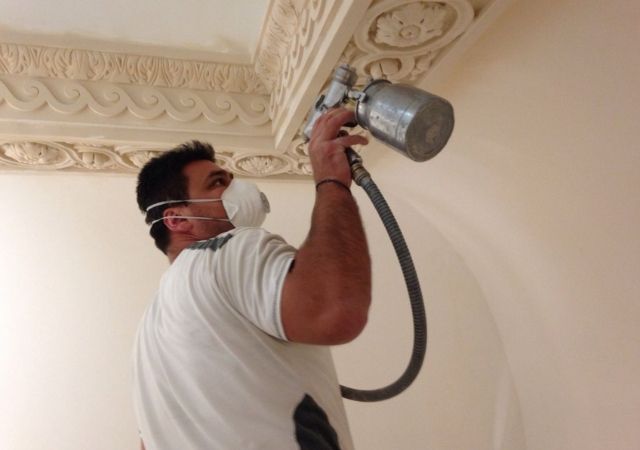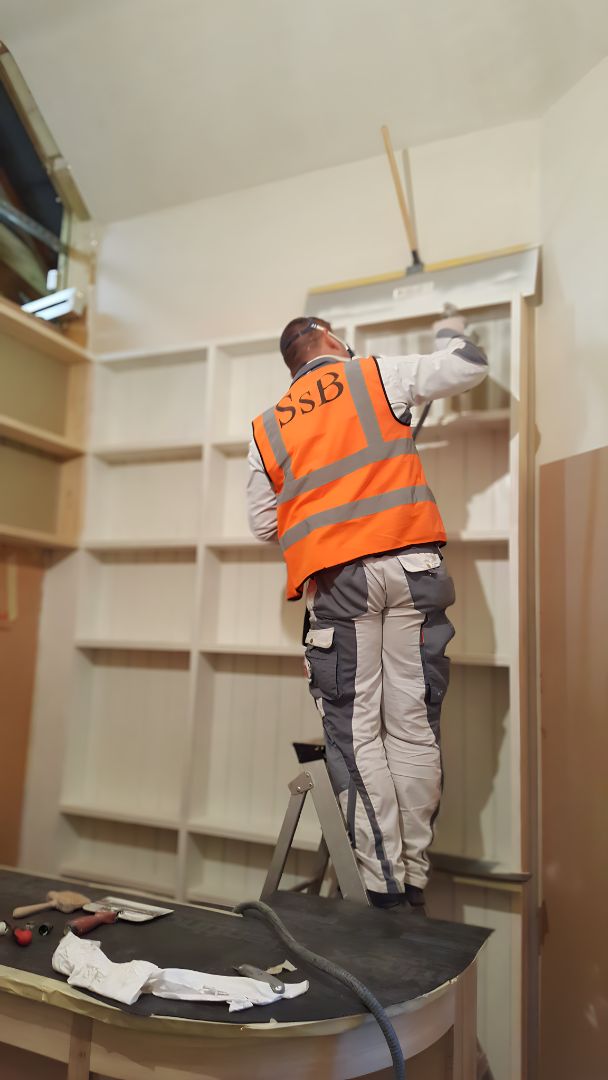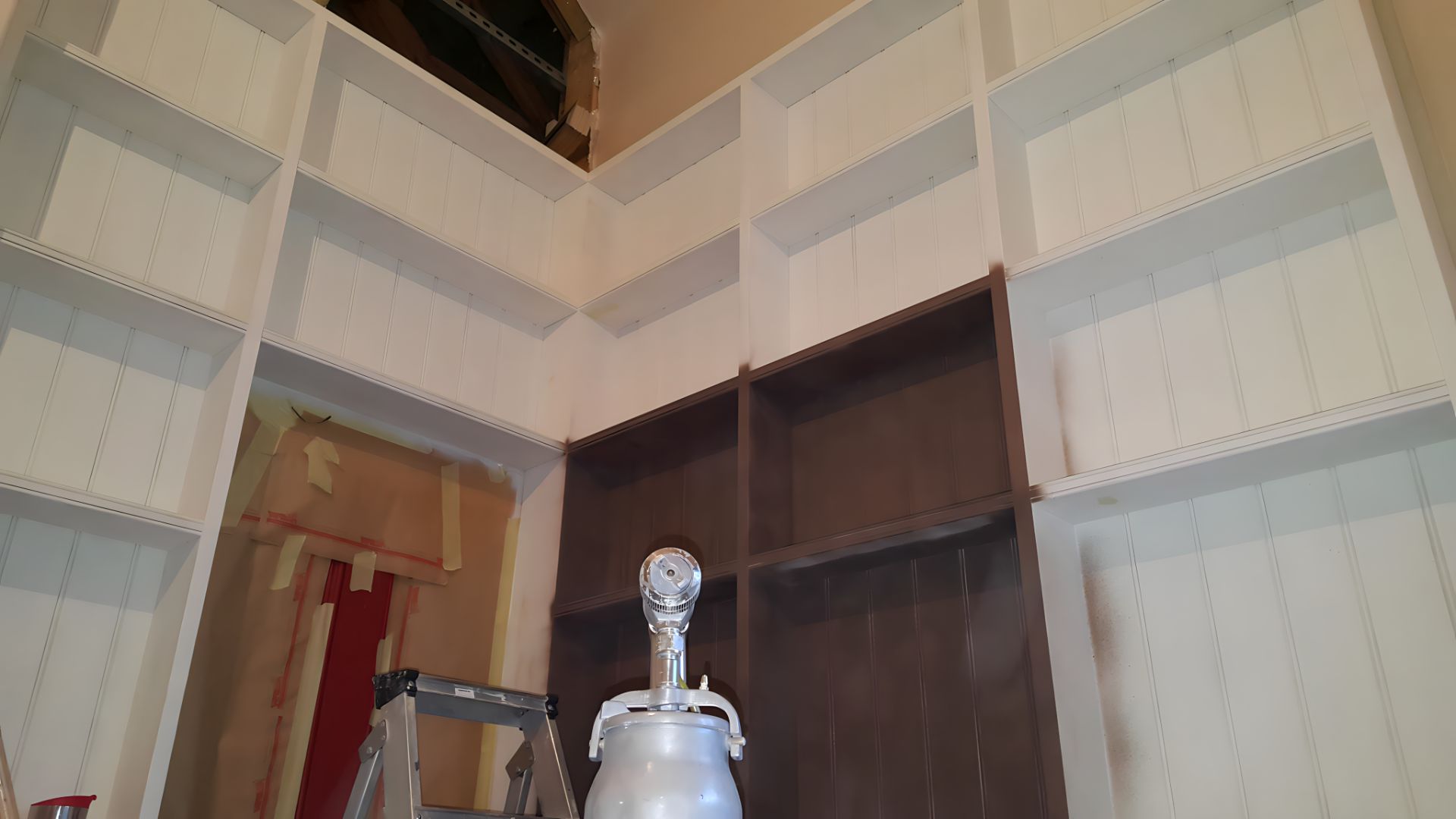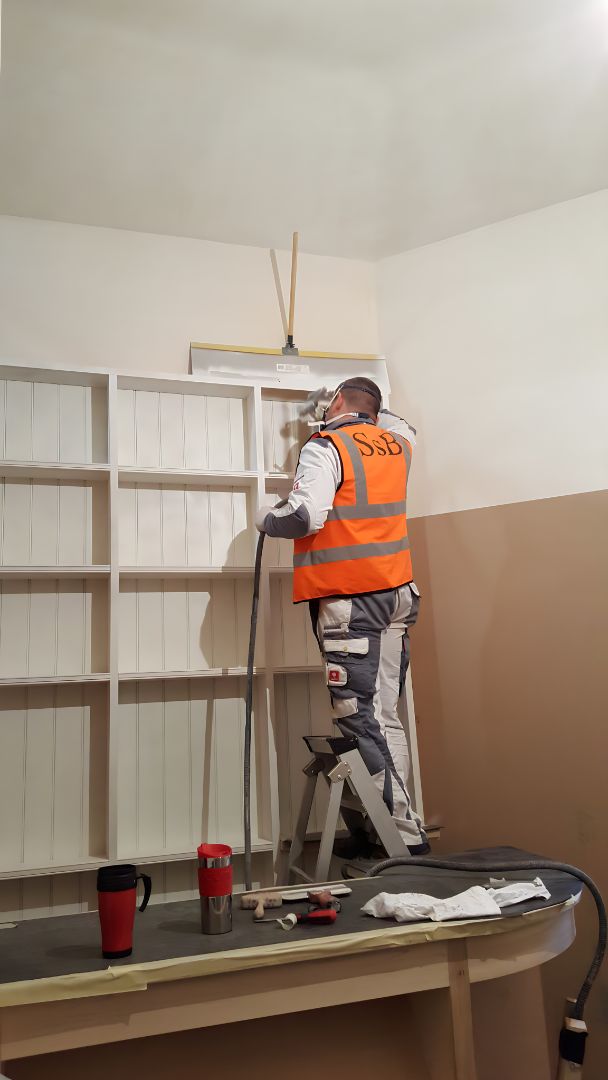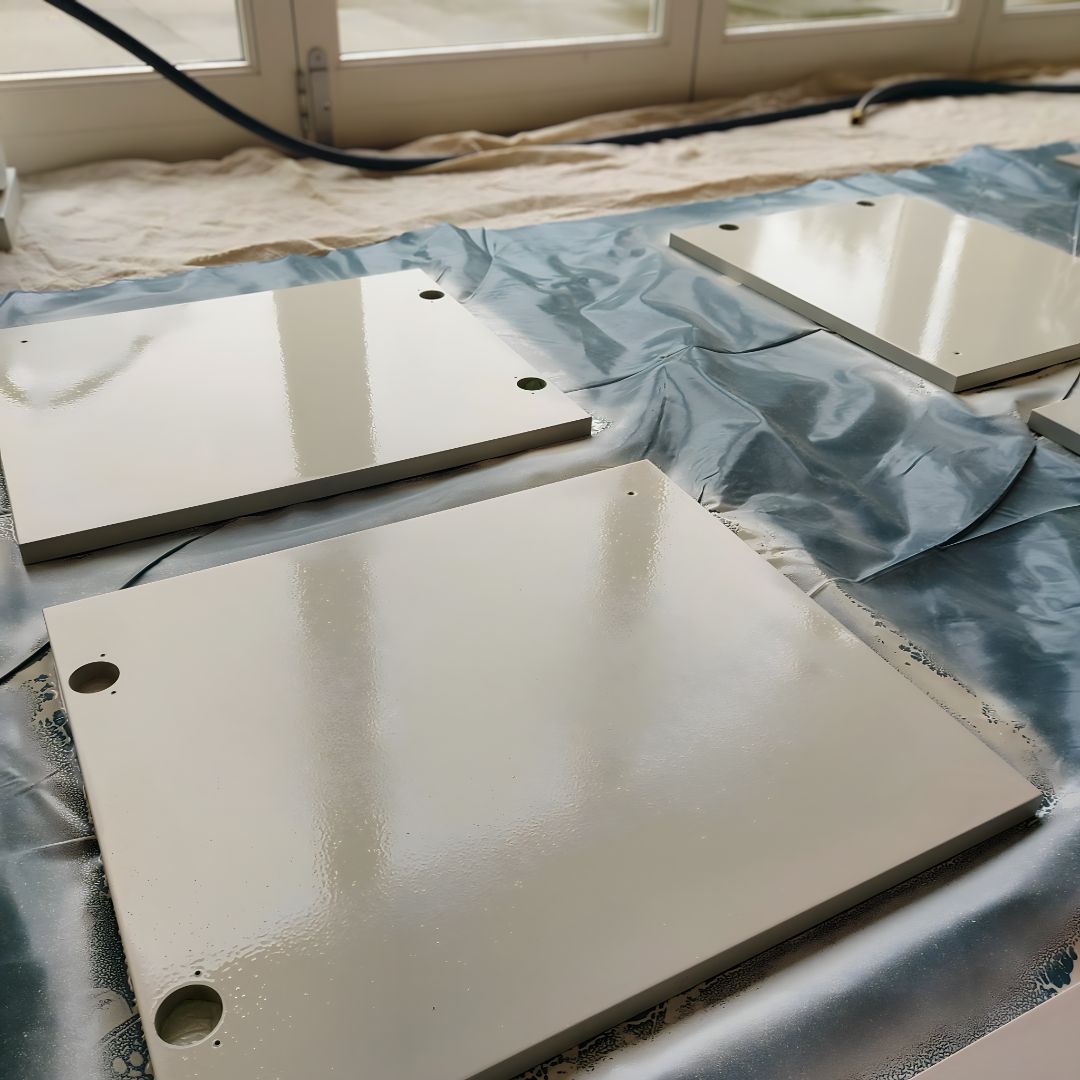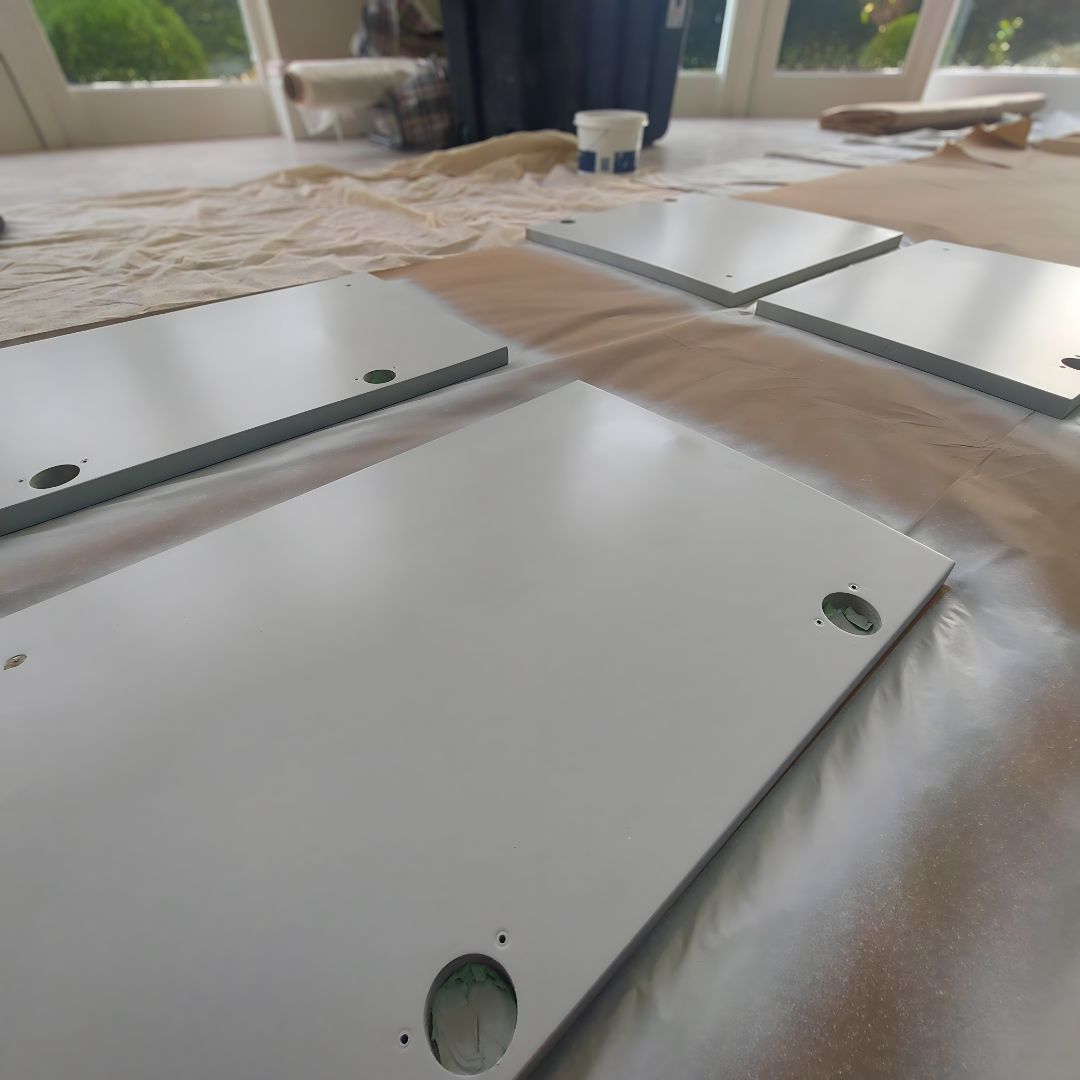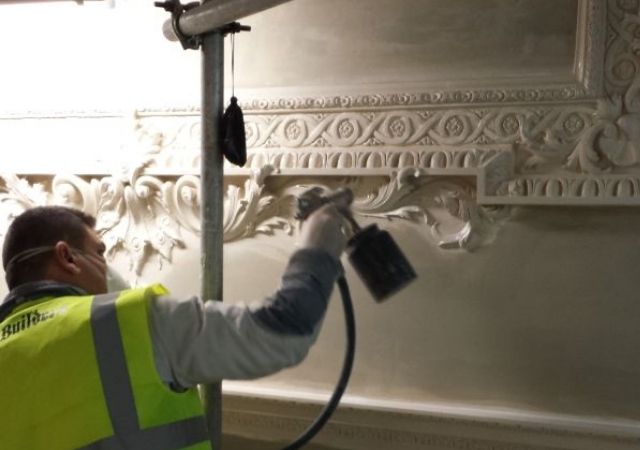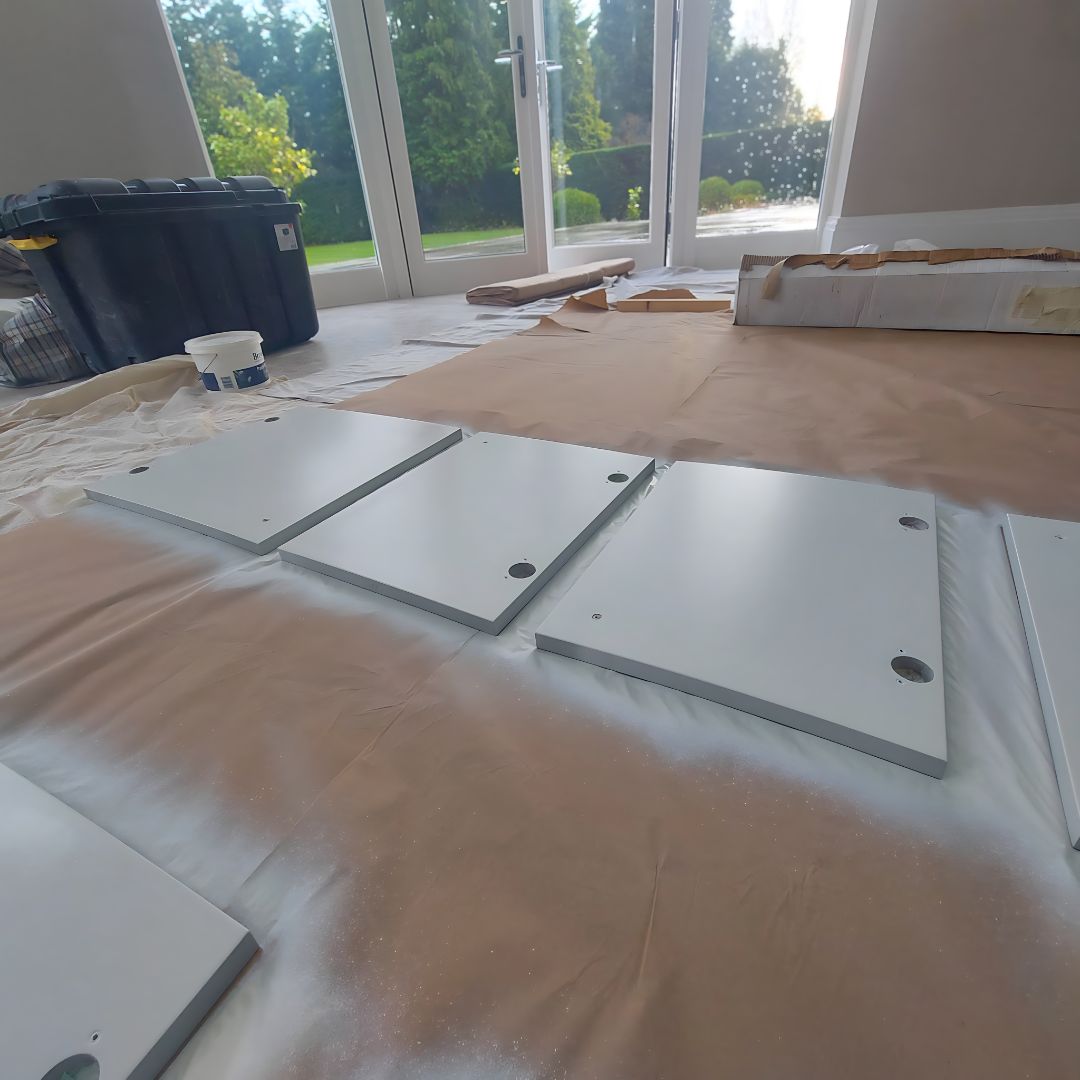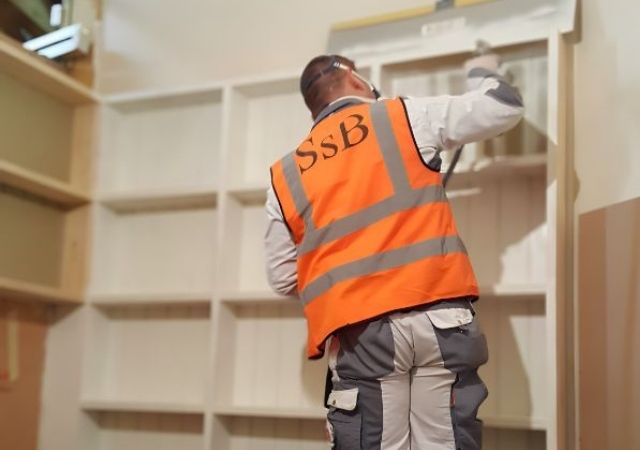
Paint spraying techniques have revolutionised the way paint is applied, offering a highly efficient and effective method for achieving professional-quality finishes on a wide range of surfaces. This method involves the use of specialised equipment, such as airless sprayers or HVLP (high volume, low pressure) guns, to atomise paint into a fine mist that is then propelled onto the surface.
One of the primary advantages of paint spraying is its ability to cover large areas quickly and evenly, making it particularly well-suited for projects that require extensive surface coverage in a short amount of time. Unlike traditional brush or roller application methods, which can be labor-intensive and time-consuming, paint spraying allows for rapid application with minimal effort.
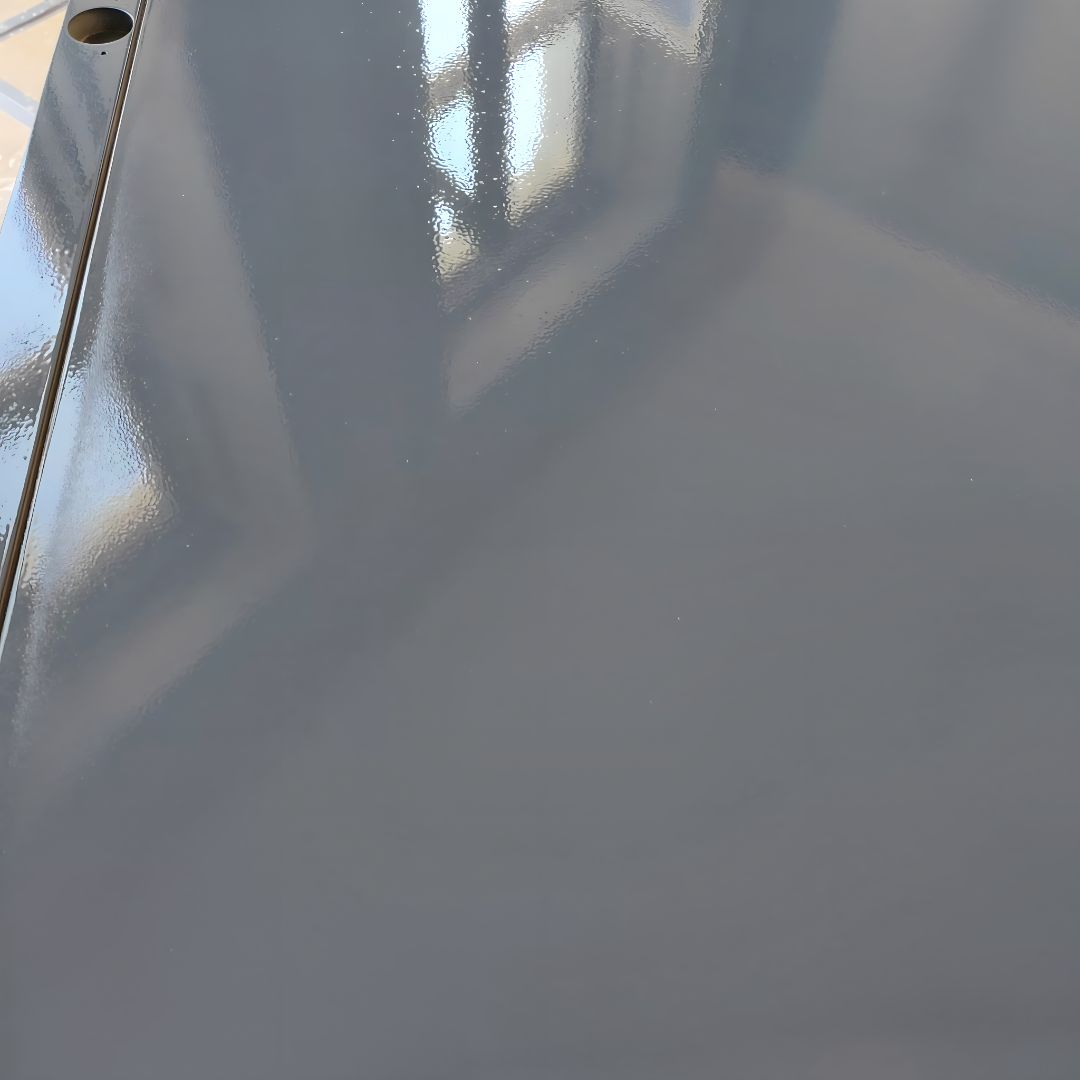
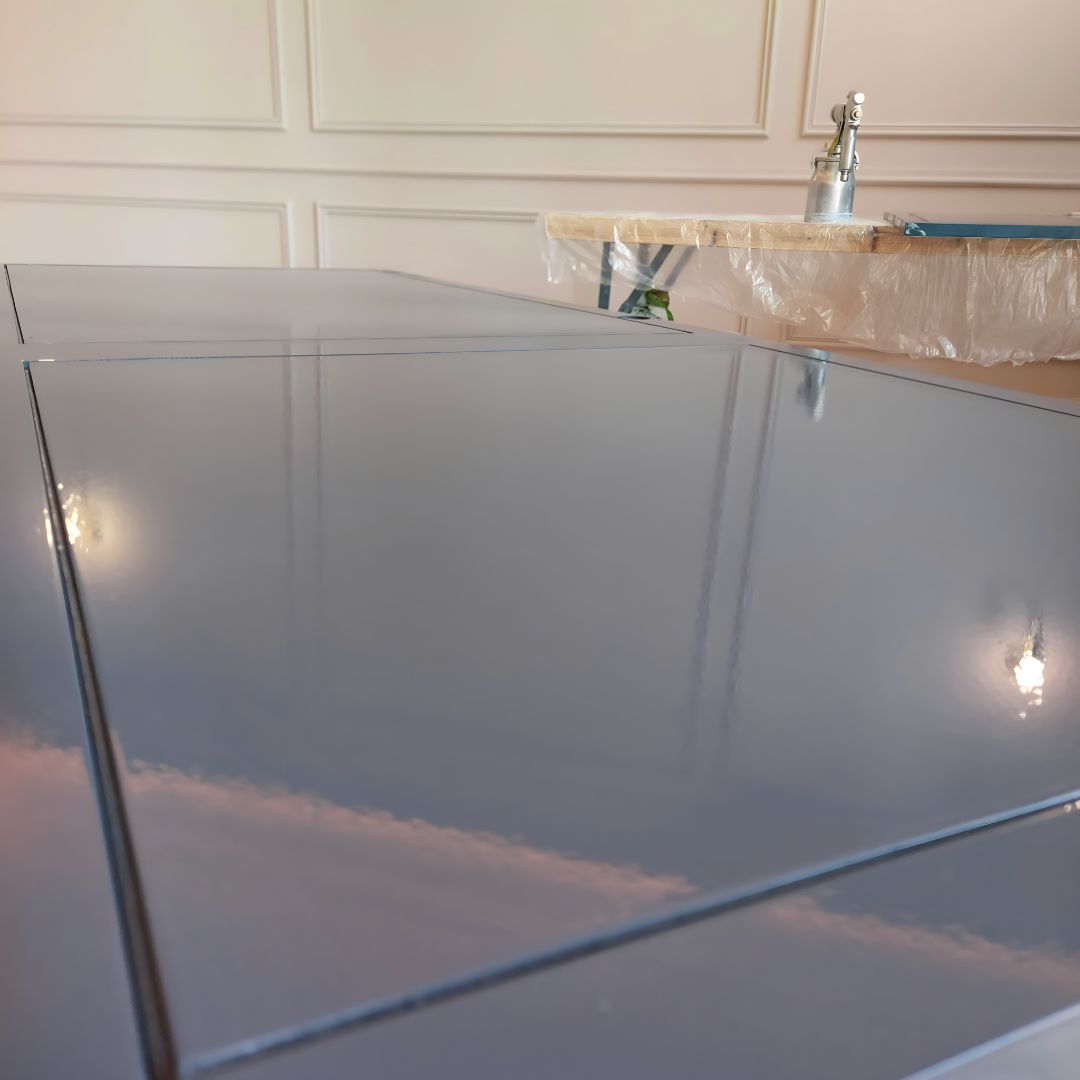
Paint spraying produces a uniform finish with minimal brush marks or roller stippling, resulting in a smooth and professional appearance. This is especially beneficial for large-scale projects where consistency and quality are paramount, such as painting exterior walls or industrial equipment.
There are several types of paint spraying techniques, each with its own advantages and applications. Airless spraying, for instance, is commonly used for exterior painting and large-scale projects due to its high-pressure application and ability to handle thick coatings. On the other hand, HVLP spraying is preferred for indoor projects and finer finishes, as it produces less overspray and provides better control over the paint application.
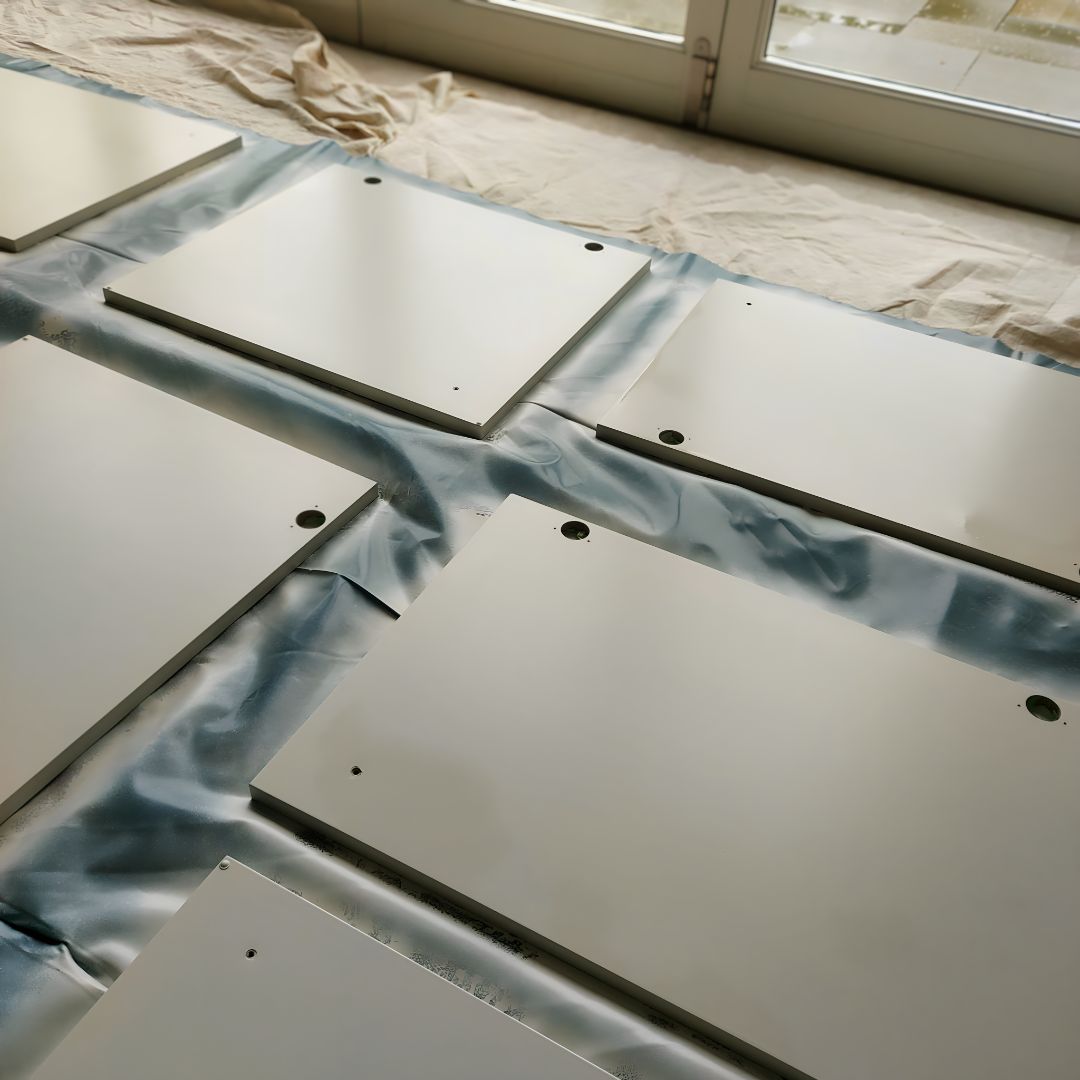
Successful paint spraying requires proper surface preparation to ensure adhesion and longevity of the paint finish. This includes thorough cleaning, sanding, and priming of the surface as needed. Additionally, safety precautions should always be observed when using paint spraying techniques, such as wearing protective gear (respirators, goggles and gloves) as well as ensuring adequate ventilation to minimise health risks associated with paint fumes and overspray.
Proper surface preparation, including cleaning, sanding, and priming, is crucial to ensure adhesion and longevity of the paint finish when spray painting.
Spraying involves applying paint evenly using specialized equipment, such as spray guns or airless sprayers, for a smooth, professional finish on various surfaces.
In summary, paint spraying techniques offer a fast, efficient, and professional way to apply paint to various surfaces, making them indispensable tools for painters and decorators in both residential and commercial settings.
IN MIND?
U-Decorators is the ideal PARTNER for making your projects a reality.